Finding a safe and suitable stray cats and dogs shelter can be an important step when an animal is abandoned, injured, lost, or in need of a new home. However, not every free-roaming cat or dog requires shelter admission. Some community animals live under established caregiving arrangements, while others may need veterinary treatment, temporary care, rehoming, or reunification with their owners.
Singapore has a growing network of animal welfare groups, shelters, adoption organisations, veterinary professionals, and government-supported programmes. Therefore, knowing what type of help an animal actually needs can make the response more effective. From responsible community cat management to pet adoption, the right approach depends on the animal’s condition and circumstances.
Animal Shelters in Singapore provide different forms of support depending on their resources, animal population, and welfare programmes. Some organisations focus mainly on adoption and rehoming, while others specialise in specific animals or community-based welfare work.
A shelter may care for animals that have been abandoned, surrendered, rescued from unsafe situations, or prepared for adoption. In addition, some organisations provide fostering, rehabilitation, medical support, sterilisation, and public education.
Importantly, shelters operate with limited resources. For that reason, responsible members of the public should first assess whether an animal genuinely needs to enter a shelter before attempting to relocate it. Community animals that are healthy and settled may have established caregivers and may be managed through community programmes rather than permanent shelter accommodation.
A stray cats and dogs shelter generally refers to a facility or organisation that provides temporary or longer-term care for animals without suitable homes. However, the term “stray” can describe several different situations.
A cat may be a community cat that has adapted to outdoor living, while another may actually be a lost pet that has wandered away from its owner. Similarly, a free-roaming dog may not necessarily be abandoned. It may belong to a community management programme or require assessment before any decision about rehoming is made.
Consequently, identifying the animal’s circumstances is important. Removing an animal from its familiar environment without proper assessment may not always be the most appropriate solution.
People searching Where can I find a cat shelter in Singapore? have several options, depending on whether they want to report a community cat, seek medical assistance, foster an animal, or adopt.
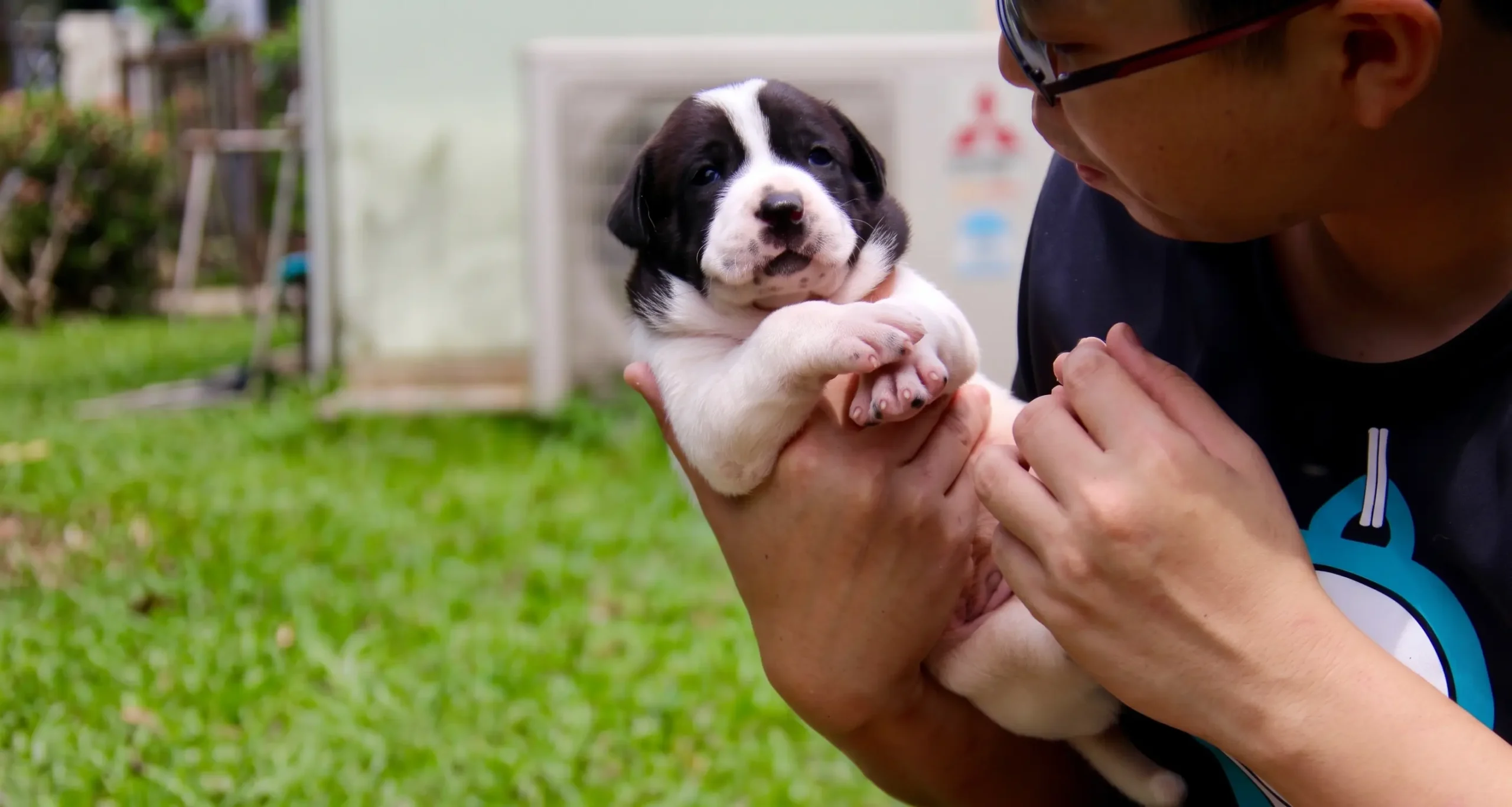
The Society for the causes for animals maintains an adoption gallery featuring animals available for adoption and provides an application process designed to assess whether an animal and household are a suitable match. Its current adoption information includes cats, dogs, rabbits, and other small animals.
For community cats specifically, the Animal & Veterinary Service (AVS) works with animal groups under its Trap-Neuter-Rehome/Release-Manage programme. The programme involves capturing, microchipping, sterilising, and either rehoming or responsibly releasing community cats.
First, observe the cat from a safe distance and consider whether it appears healthy, injured, frightened, or unusually dependent on people.
AVS advises members of the public encountering community cats to remain calm, maintain a respectful distance, and avoid chasing, cornering, or making sudden movements. These steps reduce the risk of frightening the animal or provoking defensive behaviour.
If the cat appears healthy and is living in the community, you may consider contacting local caregivers or animal welfare groups for guidance rather than immediately trying to relocate it. AVS also supports TNRM as part of its broader community cat management framework.
However, an injured or seriously ill animal requires a different response. For serious injuries, unconscious animals, or situations involving public safety, AVS advises contacting its Animal Response Centre at 1800 476 1600.
Singapore’s approach to community cats increasingly focuses on humane population management rather than simply moving cats from one location to another. Under the current TNRM programme, community cats are captured, microchipped, sterilised, and ear-tipped before being rehomed or released back into their environment where appropriate.
This approach can help reduce unsterilised populations while maintaining traceability and supporting responsible caregiving. Furthermore, AVS currently works with several animal groups as partners in the TNRM Cats programme, including , Causes for Animals Singapore,Cat Welfare Society, LUNI Singapore, Noah’s Ark CARES, Purely Adopts, SPCA, and SOSD.
Therefore, members of the public should consider community management options alongside traditional shelter services when helping a stray or community cat.
A Pet Adoption Centre in Singapore can provide an alternative to purchasing an animal from a commercial source. Adoption organisations usually assess animals and potential adopters to help create suitable long-term matches.
For example, SPCA’s adoption process involves browsing available animals, submitting an application, undergoing an assessment, visiting the animal, and completing the relevant adoption procedures. The organisation states that applications are assessed holistically rather than simply being processed on a first-come, first-served basis.
This matching process matters because adopting a pet involves a long-term commitment. Factors such as housing, household members, daily schedules, financial resources, existing pets, and the animal’s temperament should all be considered before adoption.
Families looking for an animal shelter should consider the type of assistance they require rather than relying solely on online rankings. Different organisations may focus on cats, dogs, specific welfare programmes, fostering, rehabilitation, or adoption.
For example, structured adoption organisations may provide profiles of individual animals and explain their requirements before an adoption proceeds. SPCA currently states that adoption fees include vaccination, sterilisation, deworming, and microchipping for its listed adoption animals.
At the same time, the Animal & Veterinary Service published national guidelines for animal shelters in August 2026. These guidelines cover areas such as shelter management, animal housing, management practices, and healthcare, providing common welfare recommendations for shelters operating in Singapore.
Not every animal found outdoors is a stray. A cat or dog may have escaped from its home and could be actively searched for by its owner.
AVS recommends securing a found pet safely where possible and contacting the Animal Response Centre. Members of the public can also inform animal welfare groups and bring the animal to a veterinary clinic to check for a microchip. If the microchip is registered with AVS, it may help reunite the animal with its owner.
Additionally, people can share information through neighbourhood groups, social media, flyers, and other appropriate channels. This can sometimes reunite a lost pet with its family without requiring long-term shelter placement.
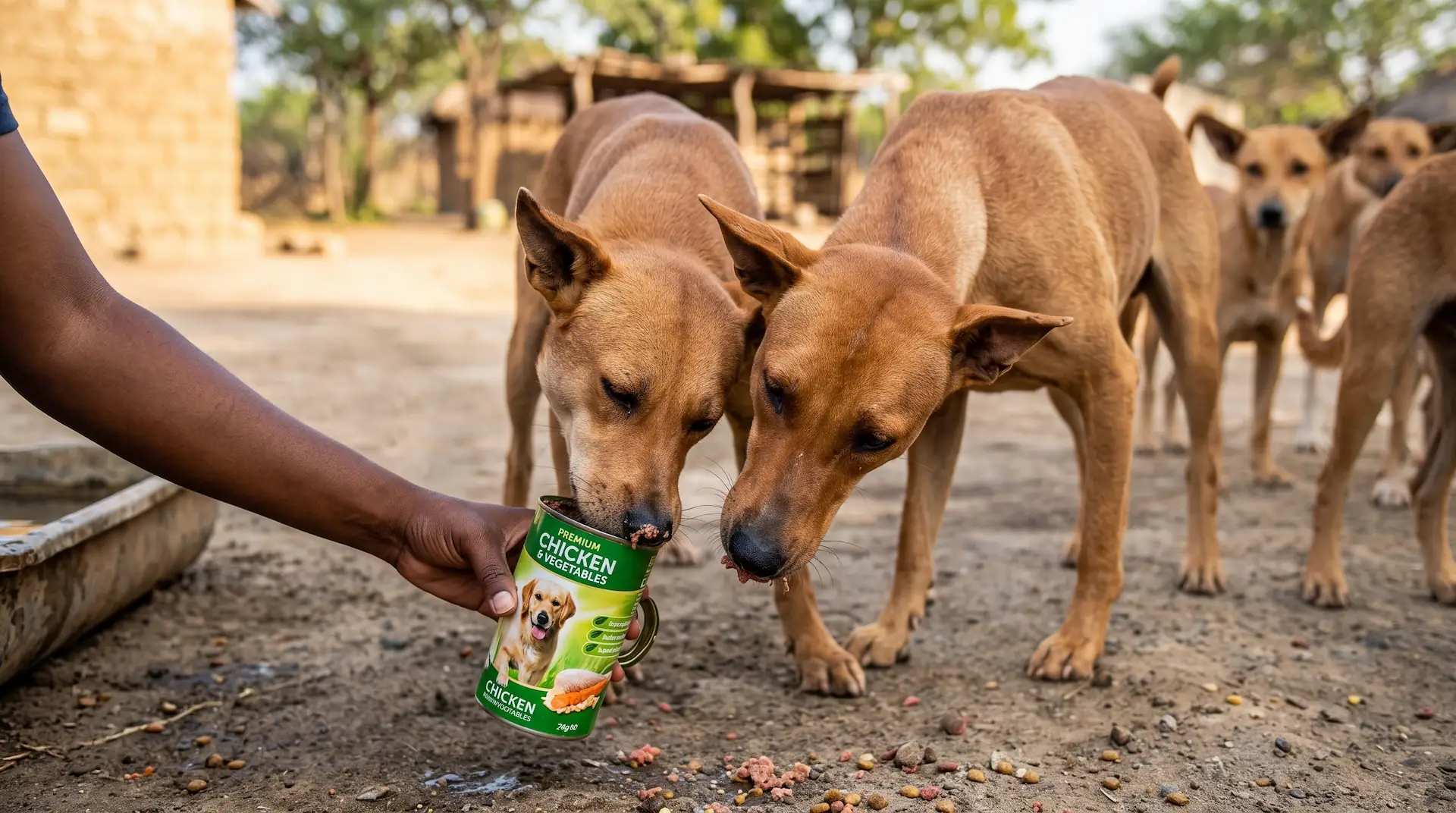
Free-roaming dogs require careful handling because they can be more wary of people than community cats. AVS advises people who encounter free-roaming dogs to remain calm, stop what they are doing, give the dog space, and avoid staring at, chasing, hitting, or making sudden movements.
If a free-roaming dog has a minor injury, AVS recommends reaching out to animal welfare groups that have experience working with community animals. Serious injuries, unconscious animals, or situations involving public safety require immediate assistance through the appropriate channels.
Responsible community care can therefore involve observation, appropriate reporting, veterinary assistance, sterilisation, and cooperation with experienced welfare organisations rather than attempting an unplanned rescue.
People often search for the best animal shelters to adopt a pet in Singapore, but there is no single shelter that will be suitable for every adopter or animal. A better approach is to compare organisations according to the type of pet available, adoption requirements, household suitability, location, support, and the animal’s individual needs.
Potential adopters should also understand that an adoption application may not result in approval for a particular animal. SPCA explains that it evaluates applications holistically to determine the appropriate match between an animal and household.
Therefore, keeping an open mind about age, breed characteristics, temperament, and special needs can make the adoption process more productive.
Bringing an adopted animal home requires preparation. Before completing an adoption, families should consider where the animal will sleep, how feeding will be managed, whether the household environment is secure, and who will take responsibility for daily care.
For cats, environmental safety is particularly important. SPCA currently requires cat adopters to keep cats indoors and to mesh windows and gates to reduce risks associated with falls and escape.
For dogs, families should consider exercise requirements, training, public behaviour, veterinary care, and the suitability of their housing arrangements. HDB residents should also check the applicable rules and approvals before adopting a dog.
Adoption does not end when an animal leaves the shelter. It begins a long-term relationship between the household and the animal.
New owners should be prepared for adjustment periods, especially when adopting animals that have experienced abandonment, previous changes in home, illness, or other difficult circumstances. Some animals may adapt quickly, while others need more time and structured support.
Additionally, responsible ownership includes veterinary care, appropriate nutrition, identification, sterilisation where applicable, and compliance with licensing requirements. AVS currently requires pet cats and dogs to be licensed, with cat licensing having been introduced under the Cat Management Framework.
Singapore has a growing network of animal welfare groups, shelters, adoption organisations, veterinary professionals, and government-supported programmes. Therefore, knowing what type of help an animal actually needs can make the response more effective. From responsible community cat management to pet adoption, the right approach depends on the animal’s condition and circumstances.
Singapore has a growing network of animal welfare groups, shelters, adoption organisations, veterinary professionals, and government-supported programmes. Therefore, knowing what type of help an animal actually needs can make the response more effective. From responsible community cat management to pet adoption, the right approach depends on the animal’s condition and circumstances.