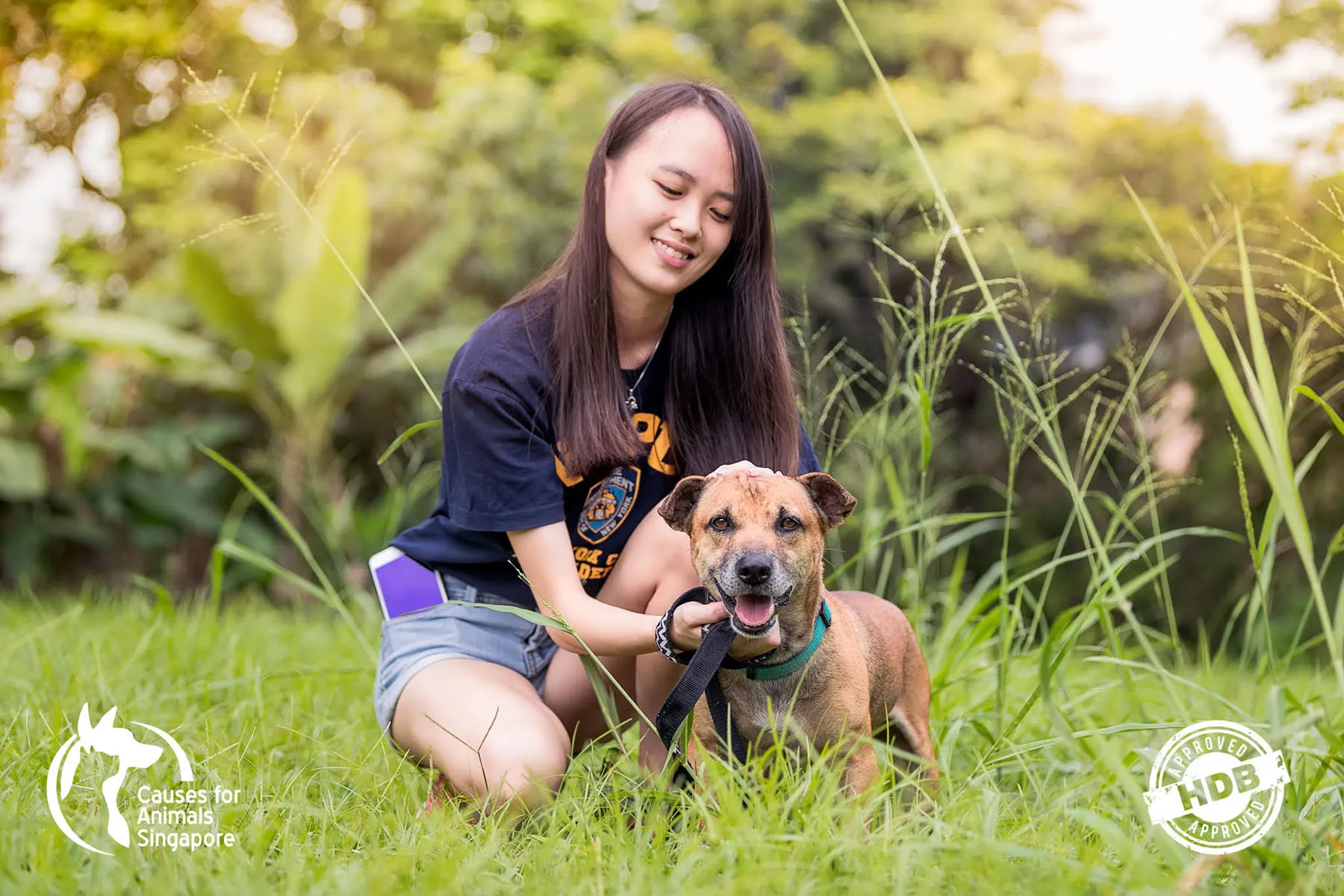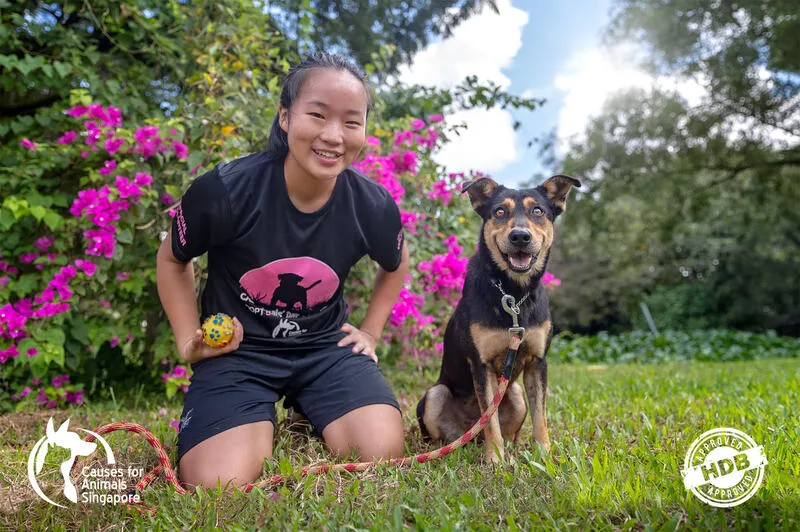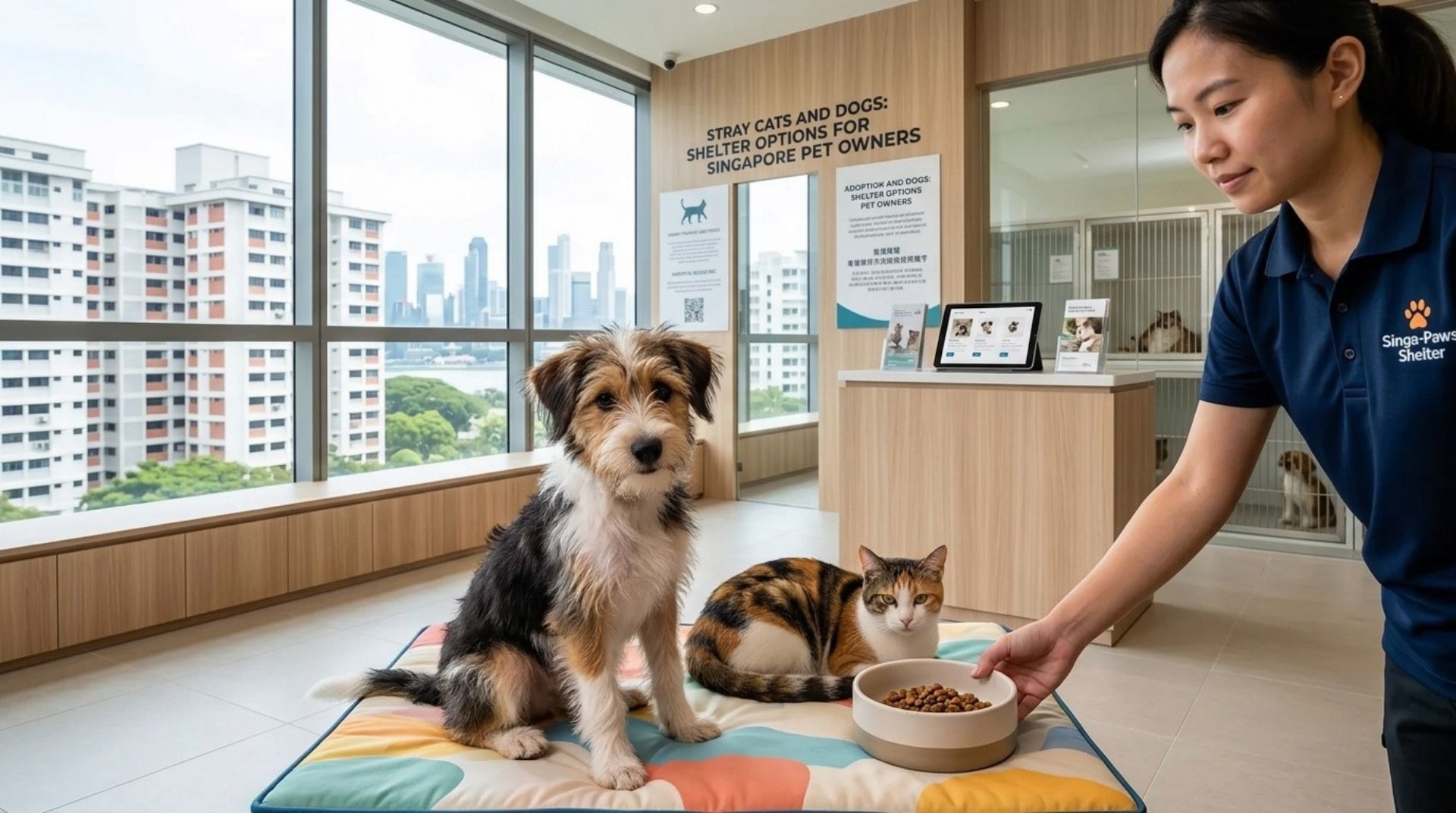
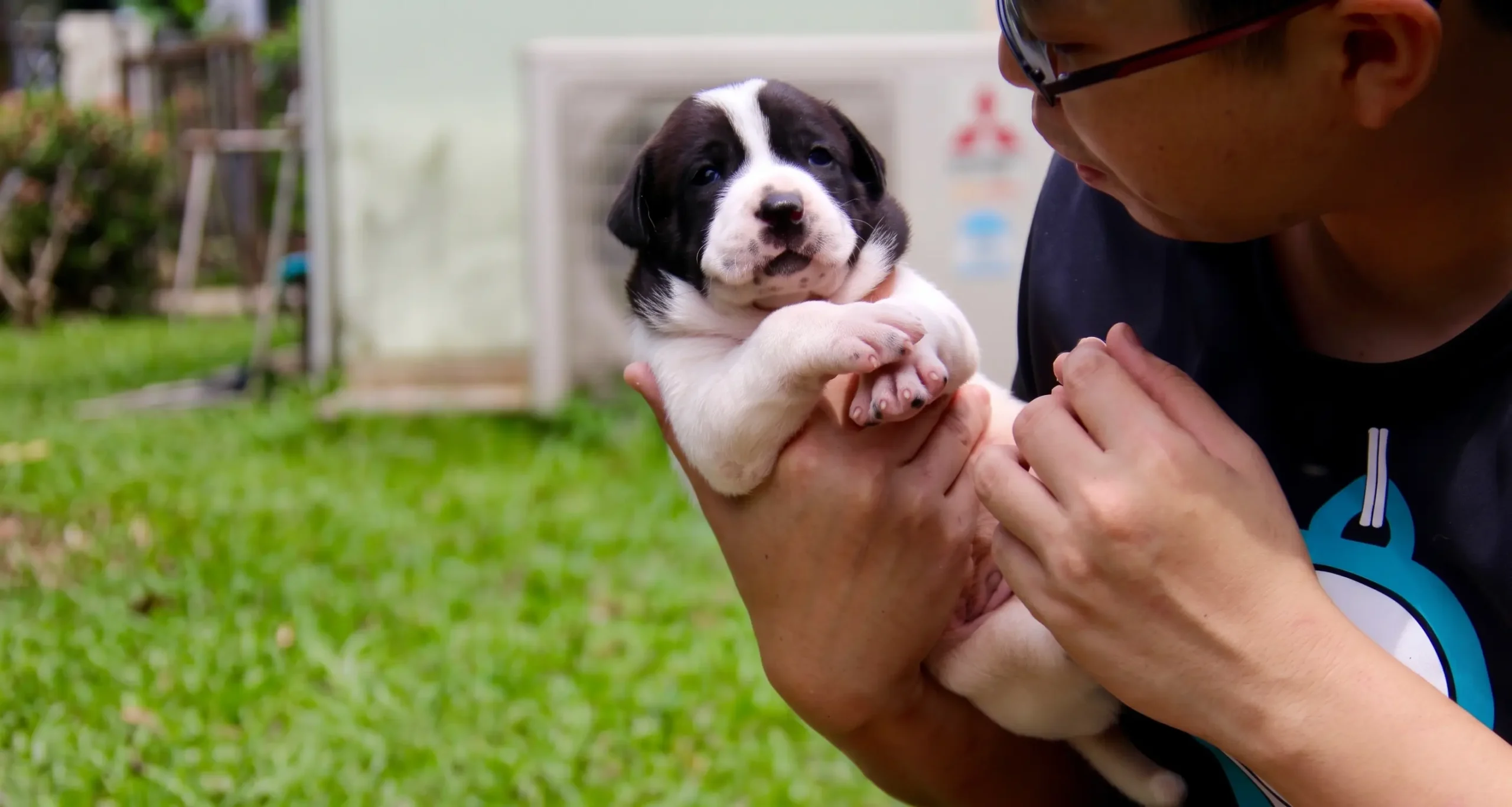

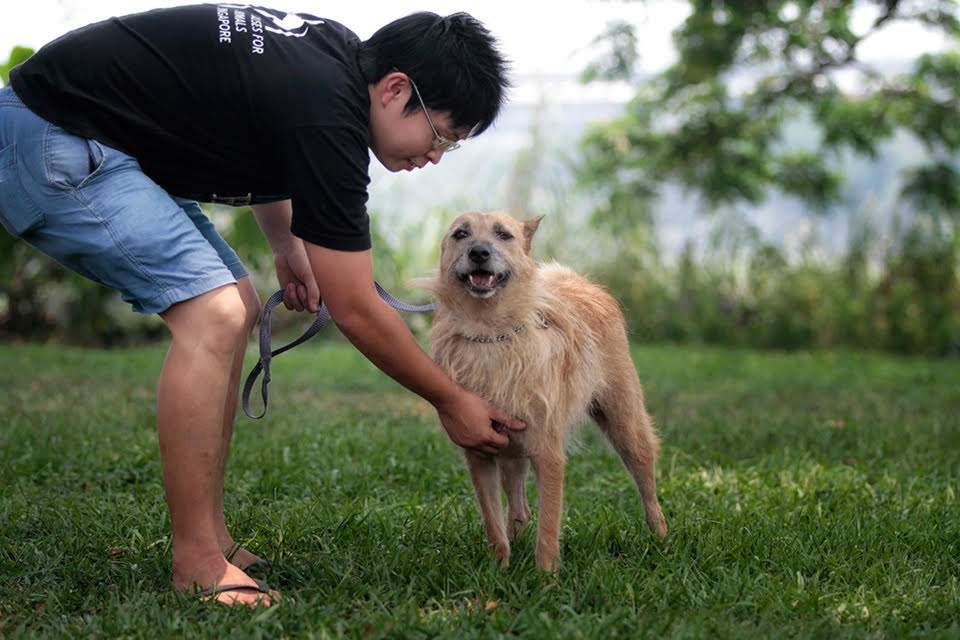
Volunteering with animals is a practical way to contribute to animal welfare while developing a deeper understanding of responsible care. For people looking for an Animal shelter volunteer Singapore opportunity, Causes for Animals offers opportunities to support the daily needs of dogs under its care and contribute to wider animal welfare activities.
Causes for Animals (Singapore), commonly known as CAS, is a registered charity focused on improving the welfare of Singapore’s street and companion animals. Its work includes humane TNRM, medical assistance, rescue, rehabilitation, adoption, community support, and education.
For volunteers, this means contributing to more than simply spending time with animals. Practical help with feeding, cleaning, basic care, and other activities can support the organisation’s daily operations and allow its team to concentrate on the animals that require attention.
Why Volunteer With Causes for Animals?
Causes for Animals was founded in 2013 by five individuals with experience across animal shelters and rescue organisations. Since then, the organisation has developed programmes aimed at strengthening animal welfare support in Singapore.
Today, CAS continues to provide care for dogs under its responsibility, including elderly and special-needs animals, while expanding its focus on TNRM, medical care, and community-based animal welfare. Its volunteers therefore become part of a wider support network rather than simply assisting with routine shelter work.
Moreover, CAS places importance on compassion, responsible stewardship, and reducing animal suffering. Its ethical standards emphasise treating animals with dignity and providing appropriate care for vulnerable and homeless animals.
Animal Shelter Volunteer Opportunities in Singapore
The available tasks can vary according to the shelter’s needs. Therefore, volunteers should be prepared to help where their assistance is most useful rather than expecting to perform one specific activity every time.
This flexible approach allows CAS to direct volunteer support towards practical needs while maintaining a clean, safe, and comfortable environment for the dogs in its care.
What Does Volunteering at CAS Involve?
Volunteers can assist with several hands-on activities at the CAS shelter. Current onsite volunteering activities include preparing and mixing the dogs’ food, cleaning and maintaining shelter areas, helping with basic dog-care routines, and bathing or walking dogs when required.
These tasks may appear simple, but they form an important part of daily animal care. Food needs to be prepared properly, living areas need regular cleaning, and dogs benefit from appropriate exercise and attention.
Furthermore, volunteers may sometimes support other animal welfare activities. CAS states that volunteers may be needed for transporting animals, food, or merchandise, as well as helping to set up and operate merchandise booths.
How to Volunteer at an Animal Shelter in Singapore
If you are wondering How to Volunteer at an Animal Shelter in Singapore, the process with CAS begins by expressing your interest and arranging a suitable volunteering session. Since CAS does not accept unscheduled walk-ins, contacting the organisation in advance is essential.
Potential volunteers should also understand that shelter work requires reliability and a willingness to carry out practical tasks. Animal care is not always about playing with dogs or cats. Cleaning, food preparation, walking, bathing, transportation, and other responsibilities can be equally important.
Therefore, volunteers should approach the experience with an open mind and be ready to support the needs of the organisation on the day.
Animal Shelter Volunteer Programme in Singapore
The Animal Shelter Volunteer Programme Singapore experience at CAS is closely connected to the organisation’s broader animal welfare mission. The charity’s work extends from direct animal care to TNRM, medical assistance, food support, adoption, and community engagement.
TNRM is one of CAS’s core long-term strategies for managing free-roaming cats and dogs humanely. Its approach involves sterilisation, medical care, feeding management, monitoring, and community engagement.
Consequently, volunteering with CAS can provide people with a better understanding of how animal welfare involves both direct care and longer-term population management.
Animal Care Volunteer in Singapore Experience
An Animal Care Volunteer Singapore role requires patience, consistency, and respect for animal behaviour. Each animal can have different needs, particularly when it has experienced illness, abandonment, injury, age-related challenges, or other difficult circumstances.
CAS continues to care for elderly and special-needs dogs under its responsibility. These animals may require additional medical attention, mobility support, and specialised daily care.
For this reason, volunteers should follow the instructions provided by the CAS team. Appropriate handling helps protect both the volunteer and the animals while ensuring that daily care is carried out safely.
Is Weekend Animal Shelter Volunteering Singapore Available at CAS?
People searching for Weekend Animal Shelter Volunteering Singapore should note that CAS’s current onsite volunteer information states that sessions are generally held on weekday mornings from 8:30am to 10:00am. Therefore, volunteers should not assume that weekend onsite sessions are available.
Instead, interested volunteers can contact CAS to discuss current opportunities and requirements. Volunteer needs may also extend beyond routine shelter work, including transportation and merchandise-related activities.
This is particularly useful for people whose schedules do not fit regular shelter sessions, as other forms of support may become available depending on CAS’s current needs.
Volunteers Support More Than Shelter Dogs
CAS’s work extends beyond the dogs housed at its facility. Its programmes also support street animals and community caregivers through food assistance, medical support, TNRM, and other community-based initiatives.
The organisation recognises that street feeders, low-income caregivers, and elderly pet owners can play an important role in animal welfare. CAS provides targeted assistance intended to help vulnerable animals and the people caring for them.
Therefore, supporting CAS can contribute to a wider animal welfare network. Even when a volunteer is not directly involved in rescue work, their practical contribution can help free up resources for other essential programmes.
What Should New Volunteers Expect?
People joining CAS should expect practical work rather than a purely recreational animal experience. Some sessions may involve cleaning or preparing food, while others may include bathing, walking, or basic dog-care activities. The exact tasks depend on what the shelter needs that day.
Volunteers should also be comfortable following instructions and maintaining a consistent approach around animals. Shelter environments can become busy, and animals may react differently depending on their personality, age, health, or previous experiences.
Most importantly, volunteers should recognise that even a couple of hours can provide useful support. CAS specifically notes that volunteers help keep the shelter clean, safe, and comfortable for the dogs in its care.
A Meaningful Way to Support Animal Welfare
Volunteering is one way to contribute directly to animal welfare, but it is also an opportunity to understand the responsibilities involved in caring for vulnerable animals. Through practical activities, volunteers can gain greater awareness of the time, resources, and commitment required to maintain animal welfare standards.
At CAS, this contribution supports an organisation working across rescue, medical care, adoption, TNRM, community assistance, and education.
As a result, volunteering can become part of a broader effort to create more compassionate and sustainable outcomes for Singapore’s animals.
Conclusion
An Animal shelter volunteer Singapore opportunity with Causes for Animals offers a practical way to contribute to the daily welfare of dogs while supporting a wider animal welfare mission. From preparing food and maintaining shelter areas to bathing, walking, and assisting with other activities, volunteers can make a meaningful contribution through hands-on work.
CAS’s current volunteer arrangements are designed around the organisation’s actual needs, with onsite sessions generally held on weekday mornings and requiring advance booking.
Beyond the shelter, Causes for Animals continues to work on TNRM, medical assistance, community support, adoption, and education. By volunteering responsibly and following the guidance of the CAS team, individuals can become part of a compassionate network working towards better outcomes for Singapore’s street and companion animals.
Frequently Asked Questions
What does an animal shelter volunteer do at Causes for Animals?
Volunteers may prepare food, clean shelter areas, walk or bathe dogs, assist with basic care, and support other activities.
Does Causes for Animals accept walk-in volunteers?
No. CAS requires volunteers to arrange sessions in advance because daily volunteer places are limited.
What are the usual volunteer hours at Causes for Animals?
Onsite sessions are generally held on weekday mornings from 8:30am to 10:00am.
Does Causes for Animals house cats at its volunteer facility?
No. CAS's current volunteer page states that cats are not housed onsite at the facility.
How can I contact Causes for Animals about volunteering?
Interested volunteers can contact CAS through its volunteer channel to discuss current opportunities and arrangements.