
Bringing a cat into the family is a meaningful decision that involves more than choosing an animal with an appealing appearance. Future owners need to consider their living arrangements, available time, household budget and ability to provide long-term care. Fortunately, Cats for adoption Singapore listings give prospective owners opportunities to welcome rescued and rehomed animals into safe homes while supporting responsible animal welfare.
Singapore has several animal welfare groups and adoption networks that help connect cats with suitable families. These organisations may feature young kittens, adult domestic shorthairs, senior cats and animals with special care requirements. However, availability changes as cats find homes and new animals enter foster care. Therefore, prospective adopters should understand the application process and prepare their homes before contacting an organisation.
Where Can I Adopt a Cat in Singapore?
People looking to adopt a cat can begin with established animal welfare organisations, cat rescue groups and foster-based adoption networks. The Animal and Veterinary Service (AVS) provides a list of animal groups that prospective owners can contact. Its cat-specific listings include the Cat Welfare Society, Love Kuching Project and LUNI Singapore. The Society for the Prevention of Cruelty to Animals (SPCA) also offers cat adoption through its shelter.
Each organisation may follow a different adoption procedure. Some publish individual cat profiles online, while others arrange introductions through fosterers or scheduled visits. Consequently, prospective owners should check the latest adoption listings and contact the relevant organisation directly rather than assume that every listed cat remains available.
Cats for Adoption Singapore Through Animal Welfare Groups
When reviewing Cats for adoption Singapore listings, prospective owners should look beyond photographs and basic descriptions. An adoption profile may include the cat’s age, temperament, health information, vaccination status, sterilisation status and suitability for different household environments. These details can help families identify animals that match their circumstances.
The Cat Welfare Society provides adoption listings that connect interested families with cats and their fosterers. LUNI Singapore also supports the fostering, socialisation and rehoming of cats and kittens. Meanwhile, SPCA provides an adoption gallery and a structured application process for animals under its care. Each organisation can explain its own requirements, fees and arrangements for meeting an animal.
Understanding Two Month Kittens for Adoption Singapore
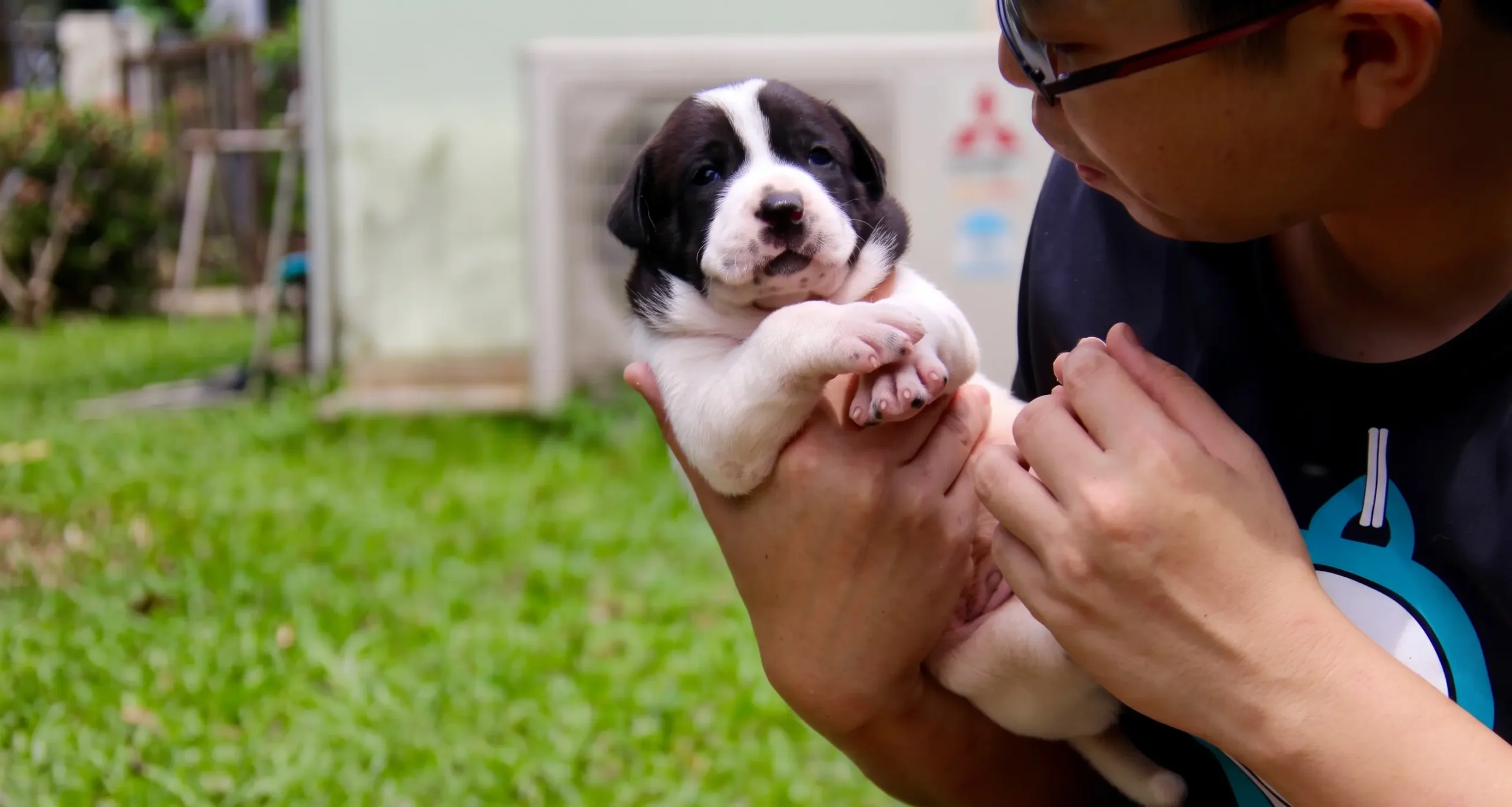
Young kittens can attract considerable interest because of their playful behaviour and small size. Some adoption listings in Singapore feature kittens around two months old. However, age alone should not determine whether a kitten is ready to move into a new home. Prospective adopters should ask about the kitten’s health, eating habits, social development, veterinary assessment and ability to live independently.
For example, some rescue groups may recommend adopting young kittens in pairs or placing them in homes with an existing compatible cat. This can provide companionship and support social development. Adoption arrangements vary according to the kitten’s individual needs, so families should follow the advice of the rescue group or fosterer rather than assume that every kitten can be adopted individually.
Preparing for a Young Kitten
Kittens need a safe and predictable environment while they adjust to a new home. Before adoption, families should prepare suitable food, water bowls, litter facilities, scratching surfaces, resting areas and age-appropriate toys. In addition, they should identify a veterinary clinic and understand the kitten’s vaccination, deworming and follow-up care requirements.
Young animals also need patience and supervision. Their curiosity may lead them towards open windows, electrical cables, small objects and other household hazards. Therefore, securing the home before the kitten arrives is an important part of responsible preparation.
Domestic Shorthair Cats for Adoption Singapore
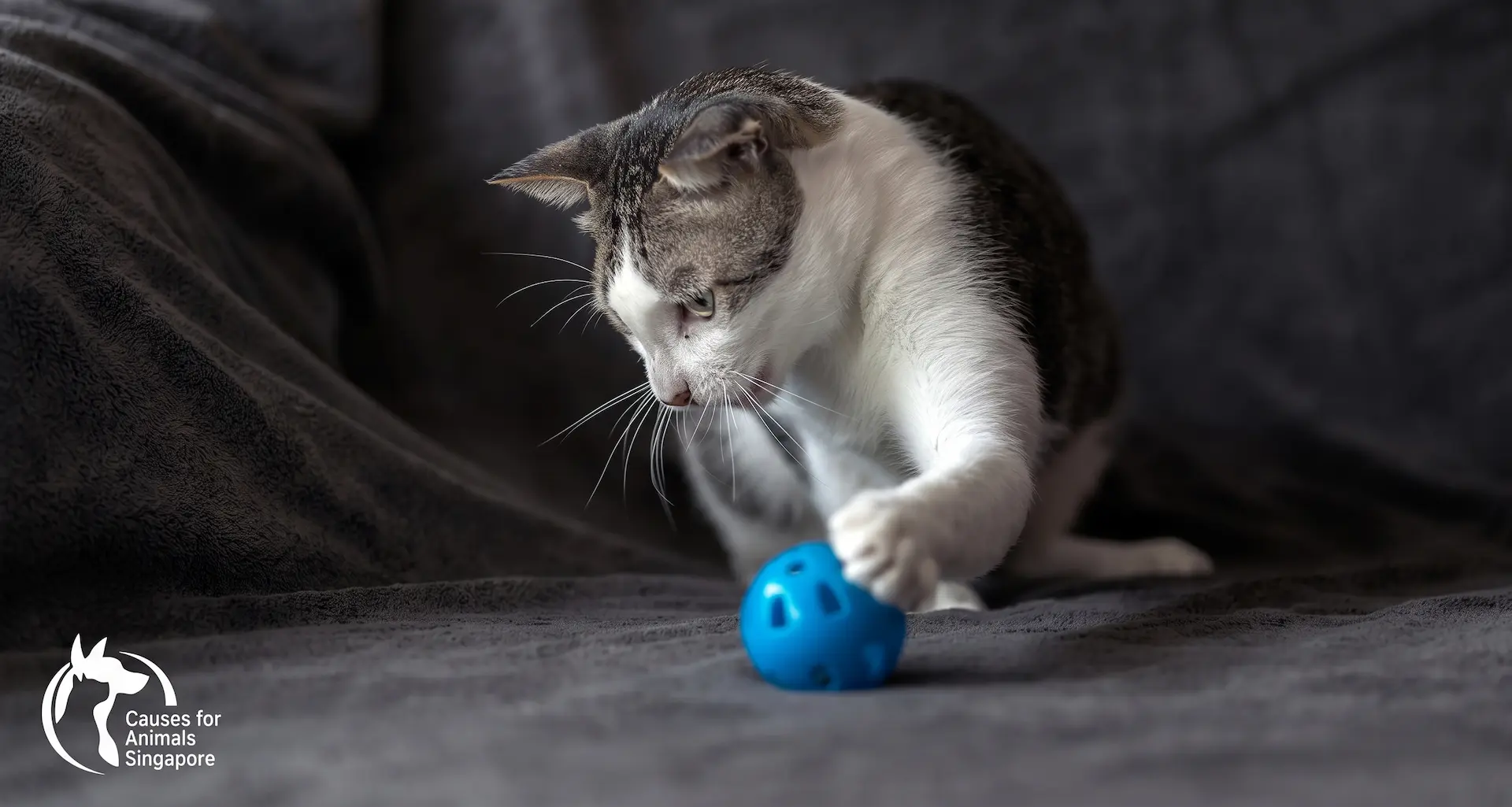
Domestic Shorthair Cats for Adoption Singapore are worth considering for households interested in adopting local mixed-background cats with short coats. Domestic shorthair describes a coat type rather than one specific pedigree breed. These cats can have different colours, markings, body shapes and personalities, so adopters should assess each animal individually.
Many domestic shorthairs enter rescue and rehoming programmes through community caregivers, fosterers or animal welfare groups. Some may be confident and sociable, while others need additional time to become comfortable around unfamiliar people. Consequently, meeting a cat and discussing its behaviour with the current caregiver can provide more useful information than choosing based on appearance alone.
Adult domestic shorthairs may also suit households that prefer a clearer understanding of an animal’s established temperament. For instance, a fosterer may already know whether the cat enjoys human interaction, tolerates other animals or prefers a quieter environment. This information can help families make a more suitable long-term match.
Choosing a Cat Shelter for Adoption in Singapore
A Animal Shelter for Adoption Singapore search may lead to registered animal welfare organisations, dedicated cat rescue groups and foster-based networks. However, not every organisation operates a physical shelter. Some groups care for rescued cats through volunteer foster homes, where animals receive attention and socialisation in a domestic environment.
Prospective owners should therefore understand how each organisation manages its animals. They can ask where the cat currently lives, who provides daily care, whether veterinary checks have been completed and how meetings are arranged. Furthermore, they should clarify whether the organisation conducts interviews, home assessments or post-adoption follow-ups.
A responsible adoption provider should also explain its adoption agreement, fees and expectations. These procedures help protect the animal and establish a clear understanding between the organisation and the adopter.
What Should You Check Before Adopting a Cat?
Adoption requires a realistic assessment of whether a household can meet an animal’s needs throughout its life. Cats need daily feeding, clean litter facilities, veterinary attention, enrichment and a secure living environment. In addition, owners must plan for recurring expenses such as food, litter, preventive healthcare and unexpected medical treatment.
Before submitting an application, consider these important points:
- Household agreement: Ensure that everyone living in the home accepts the decision to adopt.
- Financial readiness: Set aside funds for routine care, vaccinations, sterilisation and unexpected veterinary expenses.
- Home safety: Secure windows, balconies and other potential escape or fall hazards.
- Time commitment: Make arrangements for feeding, cleaning, play and care when household members are away.
- Long-term planning: Consider how the cat will be cared for during holidays, relocation or major changes in family circumstances.
These preparations can reduce avoidable difficulties after adoption. More importantly, they help ensure that the cat enters an environment where its welfare remains a priority.
Cat Adoption Organisation Singapore and the Adoption Process
A reputable Cat Adoption Organisation Singapore applicants approach will usually assess whether the animal and household are a suitable match. Although individual procedures differ, the process commonly involves reviewing available cats, submitting an application, answering questions about the home environment and meeting the animal before finalising the adoption.
SPCA, for example, asks interested adopters to browse its animal listings and complete an application. Shortlisted applicants are contacted for further discussion and may be invited for one or more visits. The organisation reviews applications according to suitability rather than simply accepting the first person who applies.
Foster-based groups may arrange meetings with the person currently caring for the cat. This gives prospective owners an opportunity to ask about the animal’s daily routine, personality and health history. However, submitting an enquiry does not automatically guarantee approval or reserve a particular cat.
Responsible Cat Ownership Requirements in Singapore
Adoption is only the beginning of responsible ownership. Singapore requires pet cats to be microchipped and licensed through the AVS Pet Animal Licensing System (PALS). From 1 September 2026, the transition period for cat licensing has ended, and keeping an unlicensed pet cat is an offence. First-time licence applicants must also complete the required online pet ownership course.
Owners should also provide a secure home environment. This includes taking reasonable steps to prevent cats from roaming or falling from heights, such as installing suitable window mesh, grilles or protective screens. When outside the home, cats must remain under physical control, such as in a carrier or on a harness.
Furthermore, responsible owners should discuss sterilisation and ongoing veterinary care with the adoption organisation. Although sterilisation is not mandatory under the general licensing requirements, AVS strongly encourages it because it can provide health and behavioural benefits.
Supporting Animal Welfare Through Causes for Animals Singapore
Causes for Animals (Singapore) works to improve the lives of Singapore’s street and companion animals through rescue, rehabilitation, adoption, medical care and humane Trap-Neuter-Return-Manage programmes. It is included in AVS’s list of animal welfare groups that prospective owners can contact about adoption.
However, prospective cat adopters should contact the organisation to confirm whether it currently has a suitable cat available. Its adoption process is appointment-based, and the organisation does not operate a general cat shelter with walk-in cat viewing. Interested individuals can enquire through its official adoption channels to understand current animals, arrangements and suitability requirements.
Supporting animal welfare does not always require adopting immediately. People can also explore responsible volunteering, fostering or donations, depending on the organisation’s current needs and programmes. These forms of support can help animal welfare groups continue caring for rescued and vulnerable animals.
Conclusion
Finding suitable Cats for adoption Singapore families can welcome requires patience, preparation and a genuine commitment to animal welfare. Whether considering a young kitten, an adult domestic shorthair or a senior cat, prospective owners should assess temperament, health, household compatibility and long-term care requirements before making a decision.
Singapore has several cat adoption groups, animal welfare organisations and foster-based networks that can help connect rescued cats with suitable homes. By following responsible adoption procedures, preparing a secure living environment and meeting AVS licensing requirements, families can provide a safer and more stable future for their new companions.
Frequently Asked Questions
Where can I adopt a cat in Singapore?
You can contact cat-focused groups such as Cat Welfare Society, Love Kuching Project and LUNI Singapore, or explore SPCA's adoption listings.
Are two-month-old kittens available for adoption in Singapore?
Some rescue listings feature two-month-old kittens, but readiness depends on health, development and the adoption group's assessment.
Can I adopt a domestic shorthair cat in Singapore?
Yes. Domestic shorthairs appear in local adoption listings, with availability depending on rescue and foster networks.
Do I need to license an adopted cat in Singapore?
Yes. Pet cats must be microchipped and licensed through AVS's Pet Animal Licensing System.
Do all cat adoption organisations in Singapore operate shelters?
No. Some use foster homes and volunteer networks instead of maintaining a dedicated physical shelter.